How to hire foreign workers in Japan | JPC’s complete recruitment guide for SMEs
What you’ll learn in this article
– Which visa categories allow foreign nationals to work in Japan
– Step-by-step hiring process for Japanese SMEs
– Cost overview and timeline
– JPC’s recruitment services for mechanics and drivers
─────────────────────────────
1,Introduction | Why hire foreign workers in Japan?
─────────────────────────────
Japan is facing a severe labor shortage, particularly in the manufacturing, logistics, and automotive industries. According to the Ministry of Health, Labour and Welfare, the effective job-to-applicant ratio for mechanics and drivers is more than 3 times the national average.
For foreign nationals who wish to work in Japan, and for overseas companies looking to place candidates in Japanese firms, understanding the visa system is the first step.
─────────────────────────────
2,Main visa categories for working in Japan
─────────────────────────────
【Specified Skilled Worker (Tokutei Gino) — Type 1】
Introduced in 2019 and expanded in 2024. Allows foreign nationals with a certain level of skill and Japanese language ability to work in designated shortage sectors.
Target industries (as of 2026):
– Automotive repair and maintenance
– Automobile transportation (truck/bus/taxi drivers)
– Construction, Agriculture, Nursing care, Food service, and more
Requirements:
– Passing the industry-specific skills evaluation test
– Japanese Language Proficiency Test (JLPT) N4 or equivalent
【Technologist / Humanities / International Services (Gijin-koku)】
For foreign nationals with a relevant university or vocational school degree who are hired for technical or professional roles.
Common use cases:
– Auto mechanics with a degree in mechanical engineering
– Engineers, IT professionals, international business roles
Requirements:
– University or 2-year vocational school degree in a related field
– Job duties must match the field of study
【Technical Intern Training /育成就労 (Ikusei Shuro)】
The former Technical Intern Training program is being replaced by the new “Skilled Labor Development (Ikusei Shuro)” program following the 2024 legal reform. Designed for skill transfer over a 3–5 year period.
─────────────────────────────
3,Hiring process — step by step
─────────────────────────────
Step 1: Define your requirements (1–2 weeks)
Clarify the role, number of hires, budget, and desired skills/Japanese level.
Step 2: Choose a recruitment channel (1–2 weeks)
Work with a specialized recruitment agency like JPC, or connect with a sending organization overseas.
Step 3: Candidate screening (2–4 weeks)
Review CVs, conduct video interviews. Check skills, Japanese ability, and motivation.
Step 4: Employment contract (1–2 weeks)
Prepare a bilingual employment contract with clear terms on salary, working hours, leave, and probation period.
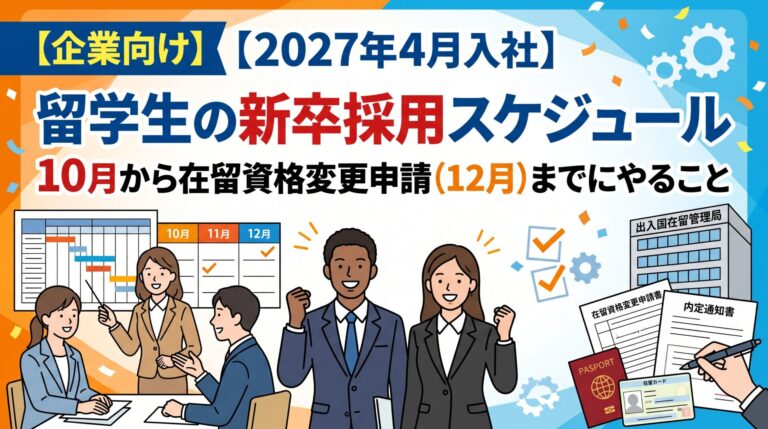
Step 5: Visa application (1–3 months)
Submit the required documents to the Immigration Services Agency of Japan. Timeline varies by visa type.
Step 6: Pre-arrival preparation (1–2 months)
Arrange housing, prepare the workplace, and brief existing staff.
Step 7: Onboarding and retention (ongoing)
Provide orientation, language support, and regular check-ins to ensure long-term success.
Total timeline: approximately 4–6 months from decision to start date.
─────────────────────────────
4,Cost overview
─────────────────────────────
Initial costs per hire (approximate)
– Recruitment agency fee: ¥200,000–¥600,000
– Visa application support: ¥50,000–¥150,000
– Relocation / housing setup: ¥100,000–¥300,000
– Onboarding / training: ¥50,000–¥200,000
Total: approximately ¥400,000–¥1,250,000
Monthly costs
– Salary: ¥220,000–¥350,000 (depends on role and experience)
– Registered support organization fee: ¥20,000–¥50,000/month
─────────────────────────────
5,About JPC — Auto mechanic and driver recruitment specialists
─────────────────────────────
JPC (Japan People Corporation) is a Tokyo-based recruitment company specializing in foreign national auto mechanics and commercial vehicle drivers for Japanese companies.
What we offer:
– Candidate sourcing from Uzbekistan, Vietnam, Philippines, Indonesia, and more
– Full support for Specified Skilled Worker and Gijin-koku visa applications
– Bilingual employment contract preparation
– Post-hire life support and Japanese language assistance
Whether you are a Japanese SME looking to solve your staffing shortage, or a foreign national seeking automotive work in Japan, JPC is your trusted partner.
Contact us: https://jpc-global.jp/contact/
Email: [email protected]
─────────────────────────────
6,Frequently asked questions
─────────────────────────────
Q: Can a foreign national with no Japanese skill work in Japan?
A: For most visa categories, basic Japanese (JLPT N4 or above) is required. However, some roles in manufacturing or logistics can accommodate lower Japanese ability depending on the workplace.
Q: How long does the visa process take?
A: The Certificate of Eligibility (COE) process typically takes 1–3 months after submission to the immigration office. Plan at least 4–6 months in total.
Q: Can foreign workers bring their family to Japan?
A: Under the Gijin-koku visa, family members (spouse and children) may accompany the worker. Under Specified Skilled Worker Type 1, family accompaniment is generally not permitted.
Q: What is the minimum salary I need to offer?
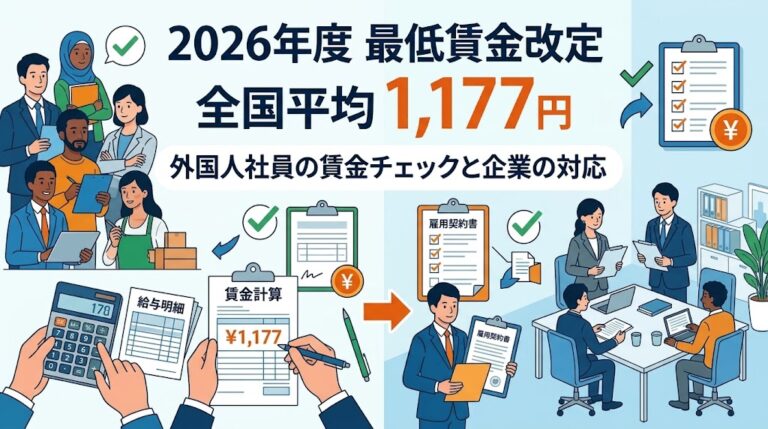
A: You must offer a salary equal to or greater than what you would pay a Japanese worker in the same role. Underpaying foreign workers is a violation of Japanese labor law.
─────────────────────────────
References
─────────────────────────────
Immigration Services Agency of Japan: https://www.moj.go.jp/isa/index.html
Ministry of Land, Infrastructure, Transport and Tourism (auto transportation): https://www.mlit.go.jp/